Una cuchara digital llega a una cocina caótica. Su misión: traer orden exacto. El problema: sus dueños son un desastre. Historia de precision y caos culinario. 🥄⚖️ #RelatoSarcástico #CaosEnLaCocina Ah, sí. Permítanme presentarles a la protagonista de nuestro relato moderno: La Precisión Hecha ABS . No era una cuchara cualquiera, oh no. Era una Cuchara Medidora Digital de Cabezal Desmontable , capaz de pesar hasta 800 gloriosos gramos de... lo que fuera. Llegó a su nuevo hogar en un empaque ridículamente ergonómico, prometiendo el fin de las galletas aguadas y el café desabrido . Su pantallita digital parpadeaba con la inocente arrogancia de quien aún no conoce el frente de batalla. Su primera misión fue la "Operación Brownie Perfecto". La usuaria, una entusiasta del " un ojo de buen cubero ", la sacó con reverencia. La cuchara, en su modo gramos, emitía un pitido de satisfacción con cada 100g de chocolate. Todo era orden y luz LED. Hasta que... la usuarla deci...
Robinhood app makes Wall Street feel like a game to win – instead of a place where you can lose your life savings in a New York minute

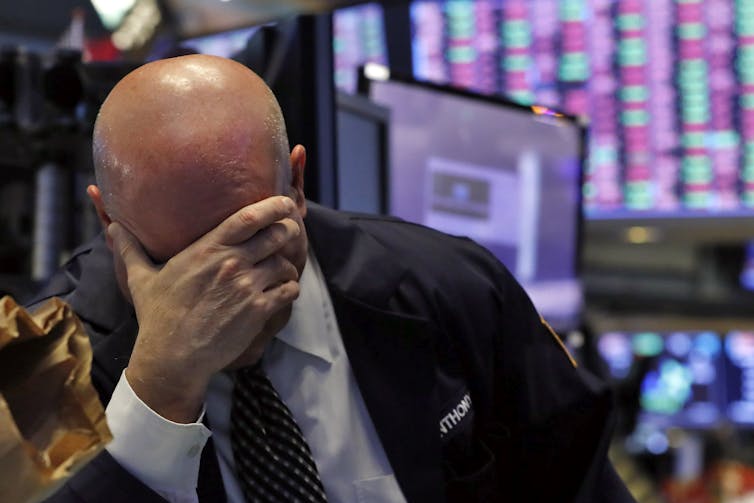
Wall Street has long been likened to a casino. Robinhood, an investment app that just filed plans for an initial public offering, makes the comparison more apt than ever.
That’s because the power of the casino is the way it makes people feel like gambling their money away is a game. Casinos are full of mood lighting, fun noises and other sensory details that reward gamblers when they place coins in slots.
Similarly, Robinhood’s slick and easy-to-use app resembles a thrill-inducing video game rather than a sober investment tool. The color palette of red and green is associated with mood, with green having a calming effect and red increasing arousal, anger and negative emotions. Picking stocks can seem like a fun lottery of scratching off the winning ticket; celebratory confetti drops from the top of the screen for the new users’ first three investments.
But just as people can lose a lot of money gambling at the casino, the same thing can happen when you trade stocks and bonds – sometimes with disastrous consequences, such as last year when a Robinhood user died by suicide after mistakenly believing that he’d lost US$750,000.
I study how people behave inside game worlds and design classroom games. Using gamelike features to influence real-life actions can be beneficial, such as when a health app uses rewards and rankings to encourage people to move more or eat healthier food. But there’s a dark side too, and so-called gamification can lead people to forget the real-world consequences of their decisions.
Games explained
Generally speaking, games – whether played on a board, among children or with a computer – are voluntary activities that are structured by rules and involve players competing to overcome challenges that carry no risk outside of their virtual world.
The reason games are so captivating is that they challenge the mind to learn new things and are generally safe spaces to face and overcome failure.
Games also mimic rites of passage similar to religious rituals and draw players into highly focused “flow states” that dramatically alter self-awareness. This sensory blend of flow and mastery are what make games fun and sometimes addicting: “Just one more turn” thinking can last for hours, and players forget to eat and sleep. Players who barely remember yesterday’s breakfast recall visceral details from games played decades ago.
Unlike static board games, video games specifically provide visual and auditory feedback, rewarding players with color, movement and sound to maintain engagement.
The power of angrier birds
The psychological impact of game play can also be harnessed for profit.
For example, many free-to-play video games such as Angry Birds 2 and Fortnite give players the option to spend real money on in-game items such as new and even angrier birds or character skins. While most people avoid spending much money, this results in a small share of heavy users spending thousands of dollars in an otherwise free game.
This “free-to-play” model is so profitable that it’s grown increasingly popular with video game designers and publishers.
Similarly, subscription-based “massively multiplayer online roleplaying games” such as Final Fantasy XIV use core game play loops. These are the primary set of actions a player will carry out during a game – such as jumping in Super Mario Brothers or continuously upgrading weapons in the Borderlands series – that encourage constant play to keep users playing and paying. They’re so effective that, for a small number of people, playing the game can even become an addiction that interferes with their mental well-being.
Gamification, however, goes one step further and uses gaming elements to influence real-world behavior.
Gamification for good
Gamification is the use of gamelike elements in other contexts. Common elements include badges, points, rankings and progress bars that visually encourage players to achieve goals.
Many readers likely have experienced this type of gamification to improve personal fitness, get better grades, build savings accounts and even solve major scientific problems. Some initiatives also include offering rewards that can be cashed in for participating in actual civic projects, such as volunteering in a park, commenting on a piece of legislation or visiting a government website.
They all rely on the behavioral concept known as extrinsic motivation, which occurs when a person pursues goals with the expectation of a reward, such as a student who hates calculus but desperately needs an A to graduate. Extrinsic motivation lasts only as long as the player feels appropriately challenged and rewarded. Games exploit this by tapping into the pleasure of earning rewards.
Gamification for bad
There’s a fine line, though, between using extrinsic motivation to help people lose some weight and using it to obscure the complexity of investing in stocks and other financial instruments behind a fun, gamelike environment.
Robinhood built its app to delight people who are new to active investing, taking advantage of the same psychological motivators that drive game behavior. Robinhood’s simple interface is replete with emojis, push notifications, digital confetti and backslapping affirmation emails. Its “game play loop” is making stock trading easy while providing sensory feedback.
I opened an account to see for myself.
The gamelike thrills start at sign-up when Robinhood offers new users a free stock, which they select from three face-down golden cards. This gives a casinolike illusion of choice, with the color gold lending an air of sophistication.
But rather than merely pick a card, users actually “scratch” it, like a lottery ticket, after which the stock is revealed with affirming congratulations and a screen full of confetti. Other sensory appeals such as colors and gamified imagery such as gift boxes encourage continued use.

By delighting users, Robinhood creates players rather than investors. This helps them overlook the fact that speculative investing is very difficult and could cause them to lose lots of money – even if they’re professionals who spend hours and days scrutinizing companies and trades.
Robinhood isn’t the only financial app that uses some of these gamelike effects. But unlike Robinhood, apps like Acorns and the Long Game encourage users to save money rather than spend it.
Games make learning fun
In my own work studying player interaction and decision-making in games, I’ve largely found them to be positive psychological tools.
And there are lots of real-world applications of game play, such as for improving health, furthering education and saving money. But I believe simply encouraging people with little investing experience to buy and sell stocks is not one of them.
As Robinhood prepares to go public, it could use the opportunity to rethink how it interacts with users. Rather than celebrating a trade, for example, it could reward them for taking an investment education program.
As any good game maker knows, the best games not only are big on fun and socializing but emphasize learning too.
[Get the best of The Conversation, every weekend. Sign up for our weekly newsletter.]
James "Pigeon" Fielder, Adjunct Professor of Political Science, Colorado State University
This article is republished from The Conversation under a Creative Commons license. Read the original article.
Comments
Post a Comment